I. Analysis of Heat Generation in Magnetic Charging
Magnetic charging generates heat during its operation due to energy conversion efficiency issues. For instance, when using MagSafe charging, the energy conversion between the internal coils and the phone’s receiving coils can produce heat due to resistance factors, causing the phone to get hot. Some users have reported that their phones significantly increase in temperature, and even become overheated when using MagSafe charging.
Overheating can have detrimental effects on the battery, accelerating its aging and capacity decay. Generally, when the battery temperature exceeds 35°C (95°F), it may cause irreversible damage to the battery’s performance and lifespan.
II. Battery Health Degradation Differences Between Magnetic Charging and Traditional Wired Charging
- Temperature Performance:During traditional wired charging, the current directly flows through the cable into the phone’s battery, generating some heat. However, under normal circumstances, the temperature is relatively lower compared to magnetic charging. In contrast, magnetic charging produces more heat due to energy conversion and transmission, causing the phone’s battery temperature to rise more quickly and to a higher level.
- Charging Power:Traditional wired charging technology, which has been well-developed over the years, can offer relatively high charging power and achieve fast charging. For example, common wired fast-charging technologies with powers of 20W, 30W, or even higher can quickly charge a phone with a significant amount of power in a short period. While magnetic charging is continuously improving, its charging power is typically lower, around 10W to 15W, resulting in a slower charging speed compared to wired charging.
- Battery Health Impact:From the perspective of battery health degradation, long-term use of magnetic charging may cause greater battery wear and tear. Data shows that iPhones using MagSafe charging may experience a more noticeable decline in battery health over time. For instance, some users reported that their iPhone’s battery health value dropped from 100% to 97% in just two weeks of using MagSafe charging, whereas many iPhone users may not see a drop to 99% even after half a year. In comparison, if used properly, traditional wired charging has a relatively smaller impact on battery health.
III. Usage Recommendations
- Avoid Using the Phone While Charging:When using magnetic charging, it is advisable not to use the phone simultaneously, especially for high-power-consuming activities such as playing large games or watching HD videos. This can reduce the phone’s heat generation and prolong battery life.
- Control the Charging Environment Temperature:Avoid using magnetic charging in high-temperature environments, such as in direct sunlight or inside a hot car. Also, try to avoid charging for extended periods in low temperatures, as low temperatures can also affect battery performance. The optimal charging environment temperature is generally around 20°C to 25°C (68°F to 77°F).
- Choose High-Quality Charging Devices:Purchase magnetic chargers or power banks that comply with national and industry standards to ensure their quality and safety. High-quality charging devices usually come with features such as intelligent temperature control, overcharge protection, and overheating protection, which can better protect the phone’s battery.
- Develop Good Charging Habits:Avoid leaving your phone connected to a magnetic charger for extended periods, especially overnight. It is better to start charging when the battery level is around 20% to 30% and stop when it reaches 80% to 90%. This can reduce the number of charge-discharge cycles and extend battery life.
IV. Rational Perspective on the Relationship Between Magnetic Charging and Battery Health
Firstly, it is important to recognize that both magnetic charging and traditional wired charging will cause some battery degradation over time. This is due to the physical and chemical properties of the battery and cannot be completely avoided.
Secondly, it is not accurate to conclude that magnetic charging will severely damage battery health or to blindly believe that wireless charging is safer. If used properly, both magnetic charging and traditional wired charging can meet our daily needs while also protecting the battery to a certain extent.
V. Industry Standards and Product Selection
Currently, the wireless charging industry has relevant standards and certifications, such as Qi Certification, which set requirements for the safety, compatibility, and performance of wireless charging devices. When selecting magnetic charging products, prioritize those that meet these standards and certifications to better ensure battery safety and health.
Moreover, some well-known brands usually pay more attention to product quality and safety performance during the research and development and production processes. They use better materials and processes and strictly control product quality. Therefore, when purchasing magnetic charging devices, it is recommended to choose products from reputable brands to ensure their performance and safety.
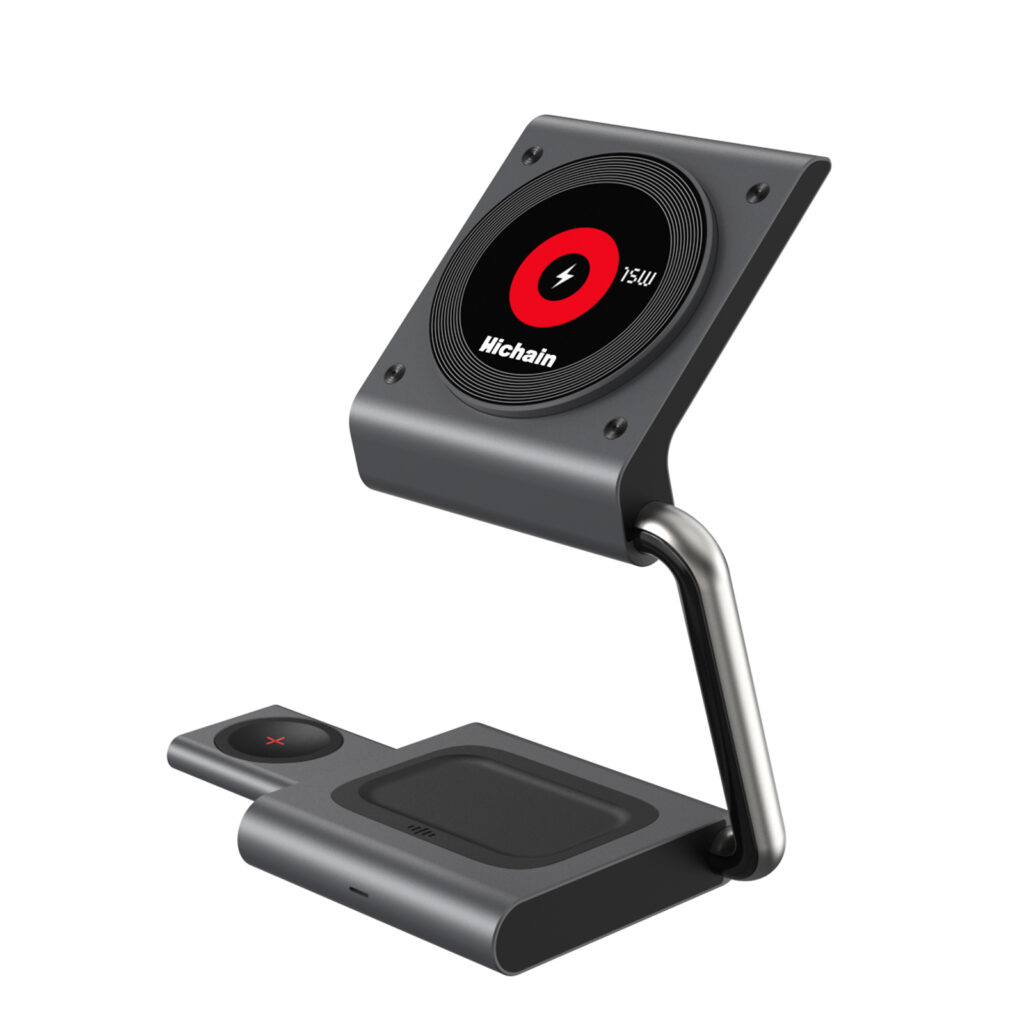
This is our product, please click to view